Research

Selected Research Projects

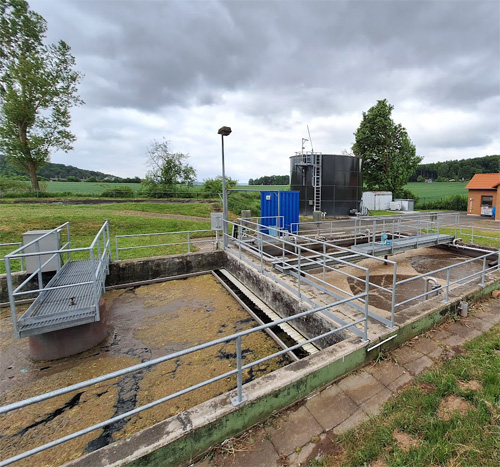
Kläranlage
Linking Anthropogenic Stressors to Biodiversity Change in Freshwater Ecosystems

We investigate the impacts of multiple anthropogenic stressors, such as wastewater treatment plant effluents and land use intensity, on freshwater invertebrate communities. Our research focuses on how community composition and functional structure shift along gradients of environmental stress and how these changes change over time. By integrating temporal and spatial perspectives, we aim to understand the mechanisms driving community responses to human pressures and their implications for ecosystem health.

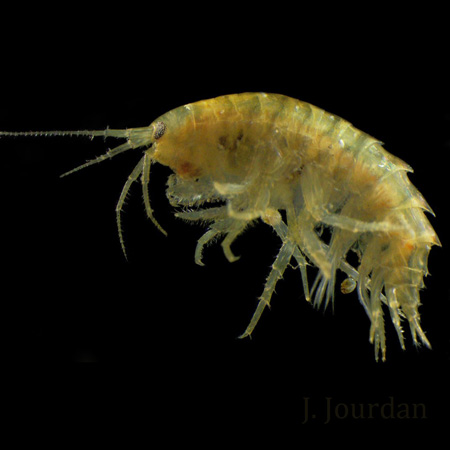
Gammarus roeselii
Ecological and Functional Diversity Among Cryptic Species

We study the ecological, physiological, and morphological characteristics of cryptic species to better understand their functional roles in ecosystems. Our research addresses the ecological significance of these hidden lineages and the unique evolutionary histories that have shaped their diversity. By linking these perspectives, we explore how cryptic species respond and adapt to current global environmental change.

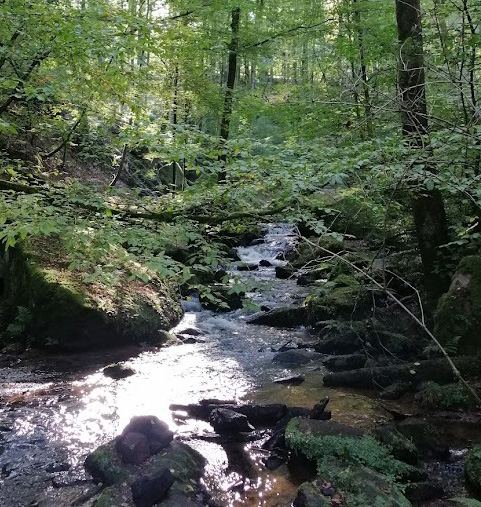
Taunus Headwater Observatory

We monitor headwater streams – systems that are often overlooked in conventional monitoring frameworks. Our approach combines routine sediment toxicity assessments and detailed analyses of intraspecific trait differentiation in selected crustacean species. Through this long-term monitoring, we aim to understand how subtle environmental pressures shape species responses and trait variability over time in these sensitive upstream ecosystems.

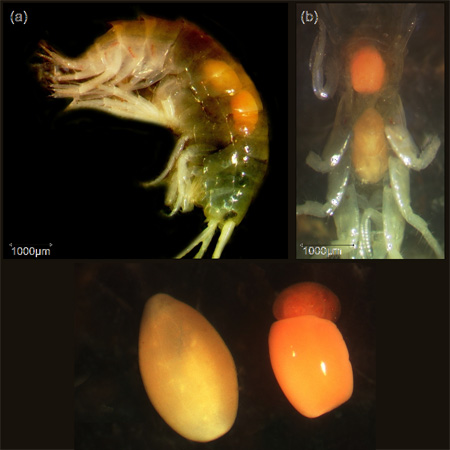
Acanthocephala
Host–Parasite Interactions Between Acanthocephalans and Amphipods in Polluted Rivers

We investigate infection patterns of acanthocephalan parasites in riverine amphipod communities and explore how these host–parasite interactions are shaped by environmental conditions. Our research focuses particularly on polluted ecosystems, where contaminants may alter both host susceptibility and parasite transmission dynamics.

Toxmate Jourdan Soose
Behavioral Responses of Aquatic Invertebrates to Contaminant Exposure

We investigate the sublethal effects of pollutants using behavioral ecotoxicological approaches on aquatic invertebrates. By studying behavioral changes such as activity, feeding behavior, and movement, we aim to identify early and sensitive indicators of stress that precede mortality.